You Need To Know: Ovarian Cancer Campaign
2026
Evaluation of the NELCA/Eve Appeal/AKT Health 'You Need to Know: ovarian cancer' awareness campaign
Related documents
Full reportShortwork and the Researchery evaluated the North East London Cancer Alliance's (NELCA) 'You Need to Know: ovarian cancer' campaign (2025), a 12-month awareness campaign delivered in partnership with The Eve Appeal and AKT Health. Ovarian cancer is the sixth most common cancer in UK women, and half of all cases are diagnosed late, when survival rates are lower. NELCA's own data showed a 20% rise in cases among women in North East London between 2018 and 2022. Building on the multi-award-winning 'You Need To Know: womb cancer' campaign, this extension used striking visual assets, social media, creative launch events, and eleven community talks to help women recognise symptoms early and act on them.
Our Approach
The evaluation used a mixed-methods design over the course of a year, from the initial focus group and photoshoot through to the community talks.
Quantitative Data Sources:
A campaign material feedback survey (social media, posters, nail salon events, video)
A general, London-wide ovarian cancer awareness survey (129 respondents)
A community talks feedback survey (75 attendees)
Social media and media coverage metrics
NHS Rapid Cancer Registration Data (NDRS & NHS England) on diagnoses, staging, and presentation route
Qualitative Data Collection:
Individual interviews with project leads at AKT Health, The Eve Appeal, and NELCA
A collaborative Theory of Change workshop to agree outputs, indicators, and outcomes
A peer research strand: four local women recruited and trained in participatory interview tools (Holistic Form, Barriers & Solutions Circle, 'You Need to Know' Top Trumps), speaking to 26 women in their own networks and communities
Observations at the nail salon launch events and two community talks
A final wash-up workshop with NELCA and The Eve Appeal
This combination let us measure reach and engagement while capturing the more nuanced, personal barriers and taboos that shape how women in these communities relate to gynaecological health.
Key Findings
Reach 14% of women surveyed in North East London had heard or seen the campaign, rising to 22% among those in NEL-covered boroughs. On Facebook, the campaign reached more than 116,400 women (mostly aged 55+), plus dedicated Lithuanian and Turkish-language videos, and achieved almost 33,600 organic views on Instagram. The launch, held as branded 'take-over' events at two nail salons, generated eight pieces of news coverage across six providers with a combined reach of 50.5 million.
Informative and engaging content
Women found the campaign's visuals, videos, and leaflets clear, non-clinical, and distinct from typical NHS materials. The tone struck a difficult balance well: informative without being frightening. Translation into Turkish, Lithuanian, Polish, and Ukrainian materials was particularly well received. Feedback also flagged that the campaign's comparatively youthful faces and PMS-related language may have inadvertently signalled to older, most-at-risk women that the campaign wasn't meant for them.The community talks were the heart of the campaign
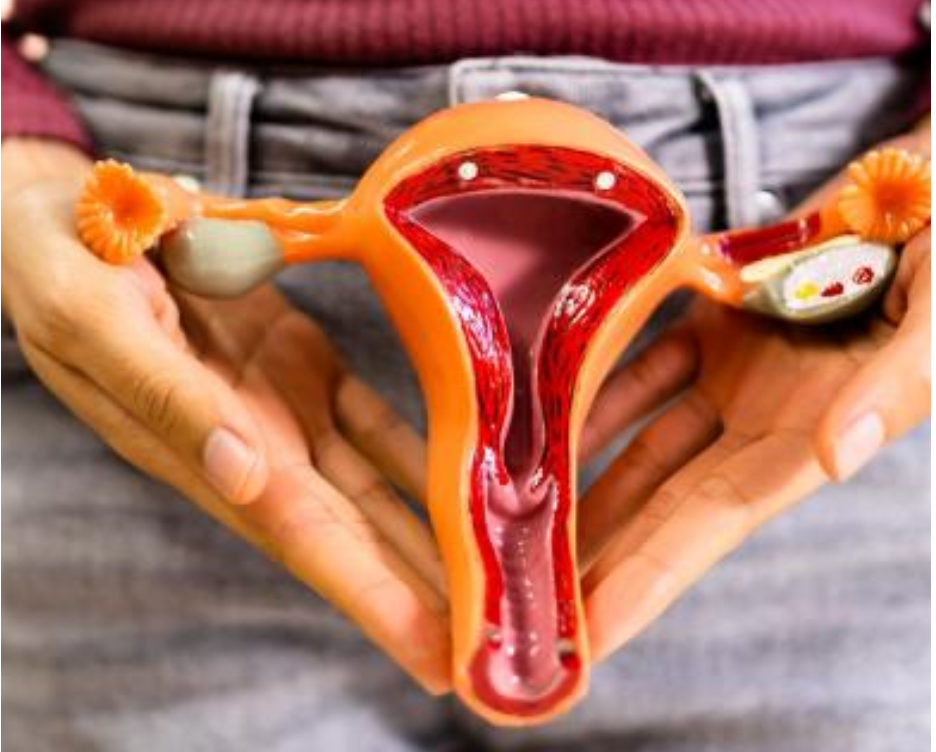
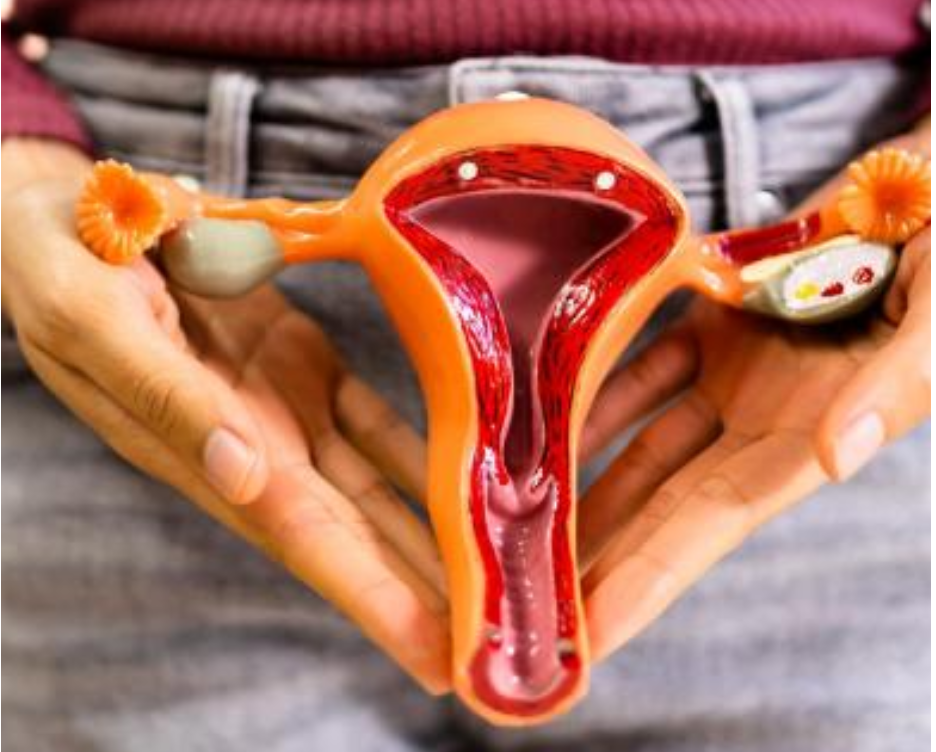
Ten talks reached 125 people across North East London. 83% of attendees rated the talk 5 out of 5, and 88% would recommend it to a friend or family member. Two-thirds of attendees felt familiar with ovarian cancer symptoms afterwards, compared with 45% of the general public who had seen the campaign, and well above the 40% familiarity seen in the wider London-wide survey. Anatomical and knitted models, an interactive format, and a charismatic speaker with lived experience were repeatedly cited as what made the talks work.Building awareness and confidence
Among general public respondents who had seen the campaign, 45% felt confident they'd know what to do if they suspected ovarian cancer symptoms, compared with a third of those who hadn't. The dominant takeaway messages, recognising symptoms, knowing what's normal for your body, and acting quickly, were exactly what the campaign set out to achieve.Early signals in NHS data
NELCA's own data showed a significant rise in new ovarian cancer diagnoses in early and late 2025, higher than the same months in the previous five years, alongside a shift away from emergency presentations toward Urgent Suspected Cancer referrals. This can't be causally linked to the campaign, but it's a promising trend worth continuing to track.Persistent barriers
The peer research surfaced real barriers beyond awareness: cultural taboo, embarrassment discussing gynaecological and digestive symptoms, difficulty getting GP appointments (especially with a female GP), and a sense among some White British and Eastern European women that gynaecological health simply isn't discussed. Ovarian cancer was also seen as more frightening than womb cancer, its less well-known and more nuanced symptoms triggering some walk-outs during talks.
Recommendations
Continue holding a preliminary focus group with the local community to shape messaging and assets before each campaign.
Keep using local, representative faces in campaign materials, making their local identity and involvement in the campaign's development explicit (name, borough, a line of context), and ensuring age diversity so the faces better match the most at-risk group.
Keep educational, in-person awareness talks at the heart of future campaigns, delivered through trusted third-party community groups, with dedicated space for participants to share personal experience, continued use of anatomical/knitted models, and continuity of the same or similarly skilled speaker.
Give hosting organisations a clearer 'offer' up front, explaining what a cancer awareness talk involves and preparing attendees for potentially sensitive content in advance.
Reframe ovarian cancer risk for older age groups directly, rather than relying on 'postmenopausal' language that some older women no longer see as relevant to them.
Continue translating campaign assets into the relevant community languages.
Continue entering the campaign for awards, both to raise NELCA's visibility and to encourage other Cancer Alliances to adopt a co-produced approach.
Where possible, triangulate future campaigns against NHS data by asking GPs or hospitals how women learned about ovarian cancer symptoms.
“Knowledge is power, you need to understand what is not normal for you regardless of your stage of life”
London-wide survey respondent, on seeing the YNTK campaign team
You may also like